The Icon of Africa
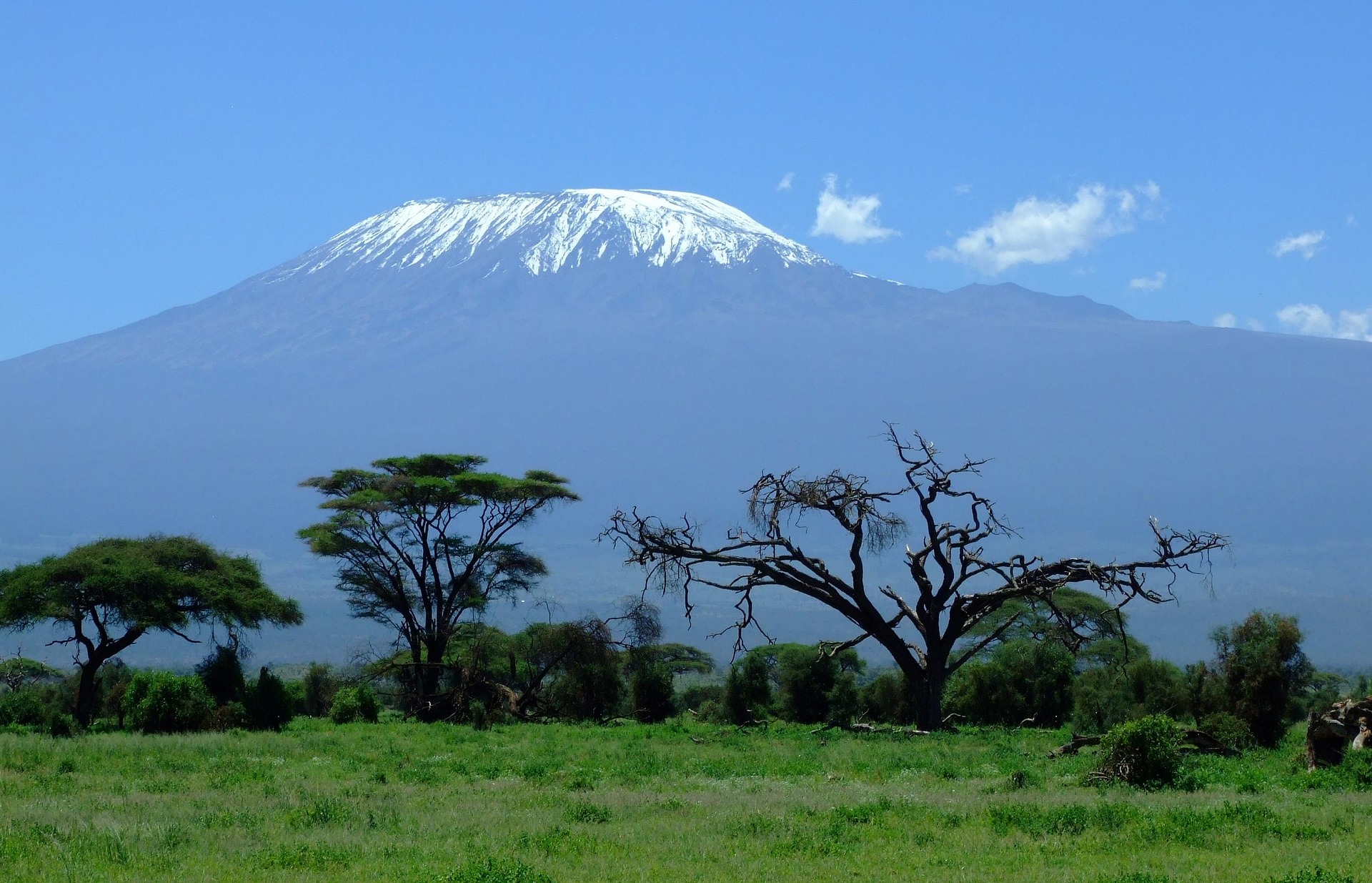
Mount Kilimanjaro is the world’s highest free-standing mountain and the highest point on the African continent. Rising majestically to 5,895 meters (19,341 ft), its snow-capped peaks above the tropical savannah have captured the imagination of the world for centuries. Kilimanjaro is a UNESCO World Heritage site and a symbol of African pride and beauty.
Unlike many of the world’s high peaks, Kilimanjaro is a “walk-up” mountain. No technical climbing or specialized mountaineering equipment is required to reach the summit, making it accessible to anyone with a good level of fitness and strong determination.
Five Distinct Climate Zones
The journey to the summit is like a walk from the equator to the North Pole in just a few days. You begin in the lush cultivation zone, pass through a dense tropical rainforest, traverse the heath and moorland, cross the high-altitude alpine desert, and finally reach the arctic zone of ice and snow at the crater rim.
The Seven Routes to the Top
There are seven main routes for climbing Kilimanjaro, each with its own character. The Marangu (Coca-Cola) route is the only one with hut accommodation, while the Machame (Whiskey) and Lemosho routes are prized for their spectacular scenery and high success rates. The Northern Circuit offers the longest and most remote experience, providing the best acclimatization.
Wildlife of the Mountain
While most people visit to climb, the lower slopes are a sanctuary for wildlife. The rainforest zone is home to blue monkeys, black-and-white colobus monkeys, and a variety of colorful birds. Though elusive, leopards, elephants, and buffalos are also present in the forest, and the high-altitude moorland is home to the unique Four-striped Grass Mouse and various birds of prey.
A Global Icon: The Roof of Africa
Mount Kilimanjaro is not just a mountain; it is a global icon and the highest free-standing peak in the world. Rising to 5,895 meters (19,341 feet), it is the ultimate challenge for hikers and adventurers. Its snow-capped peaks, sitting almost directly on the equator, have fascinated explorers for centuries. The mountain is a stratovolcano made up of three distinct cones: Kibo, Mawenzi, and Shira. While Shira and Mawenzi are extinct, Kibo (the highest) is dormant and could technically erupt again, though its last major activity was over 300,000 years ago. Standing at Uhuru Peak as the sun rises over the vast Tanzanian plains is a spiritual and life-changing experience for those who make the arduous journey.
The Vertical Journey through Five Ecosystems
Climbing Kilimanjaro is often described as walking from the equator to the North Pole in just a few days. The mountain is divided into five distinct climate zones, each with its own unique flora and fauna. You begin in the ‘Cultivation Zone’ (800m-1,800m), followed by the lush ‘Montane Forest’ (1,800m-2,800m) where monkeys and exotic birds thrive. Next is the ‘Heath and Moorland’ (2,800m-4,000m), characterized by giant lobelias and groundsels. Above 4,000m lies the ‘Alpine Desert,’ a stark and beautiful landscape of rock and dust. Finally, you reach the ‘Arctic Zone’ (above 5,000m), a world of permanent ice, glaciers, and intense ultraviolet light. This vertical diversity is what makes Kilimanjaro one of the most ecologically interesting treks on earth.
The Rapidly Receding Glaciers
One of the most poignant sights on Kilimanjaro is its rapidly receding glaciers. These equatorial ice fields have existed for over 11,000 years, but due to climate change, they have lost more than 80% of their mass in the last century. Some scientists predict that the glaciers may disappear entirely within the next few decades. Seeing the massive walls of blue ice at the Rebmann or Furtwängler glaciers is a powerful and sobering reminder of the impact of global warming. For many climbers, the chance to see these ‘equatorial snows’ before they are gone is a primary motivation for their journey, adding a sense of urgency and historical weight to the summit attempt.
The Science of Acclimatization
The greatest challenge on Kilimanjaro is not the physical climb, but the thin air at high altitude. Successful summiting is a matter of science and patience. The ‘pole pole’ (slowly, slowly) philosophy is the key to allowing the body to produce more red blood cells to carry oxygen. Reputable operators use a variety of routes—like Lemosho or Machame—designed to ‘climb high and sleep low,’ which maximizes the body’s ability to adapt. Modern expeditions also include daily health checks using pulse oximeters and carry emergency oxygen. This scientific approach, combined with the incredible support of the local Chagga porters and guides, has turned what was once a dangerous expedition into a safe and accessible challenge for determined travelers from around the world.