A Wilderness within a Metropolis
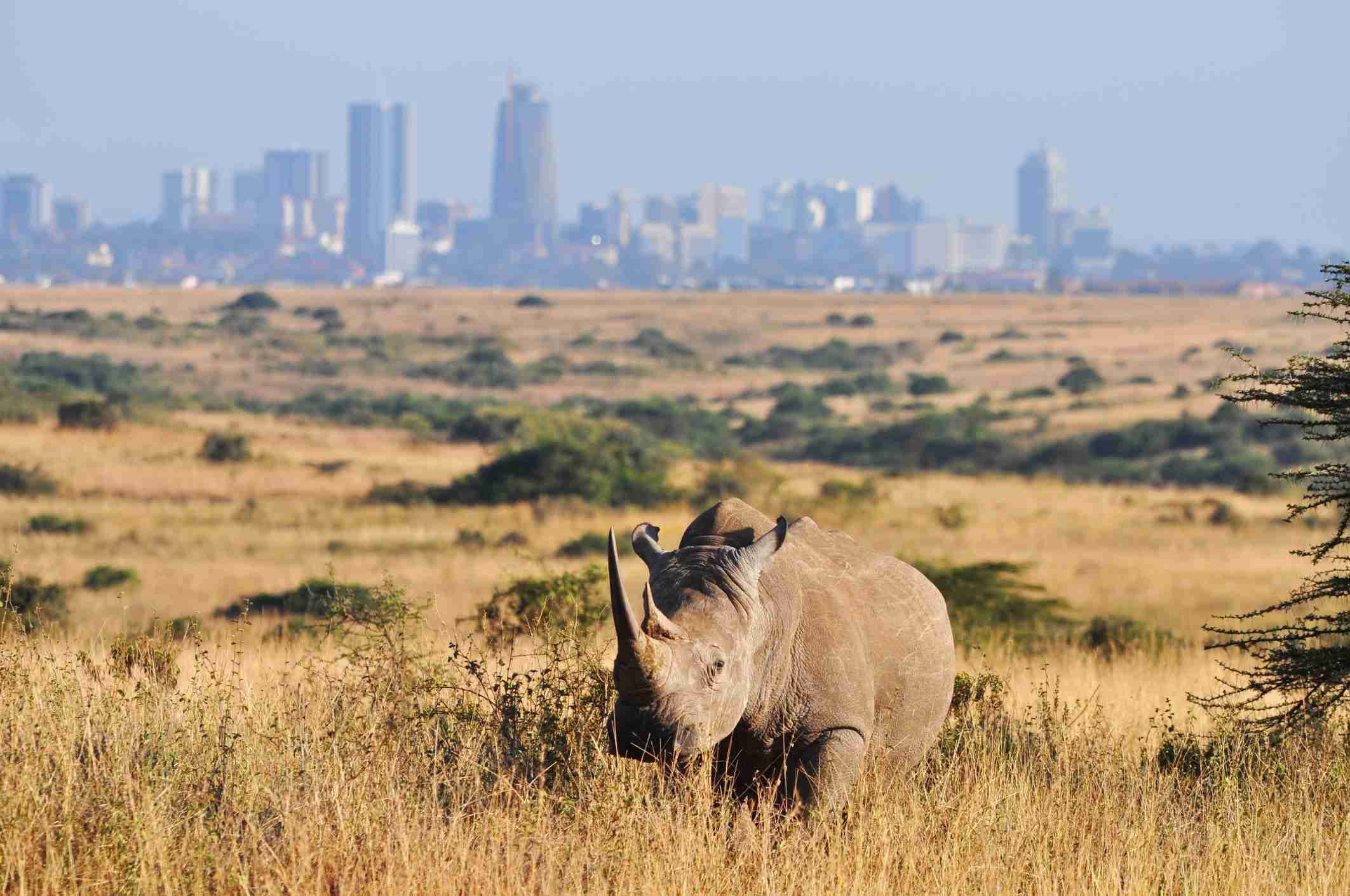
Nairobi National Park is a unique anomaly in the world of conservation. It is the only national park in the world that borders a capital city. Separated from the skyscrapers of Nairobi by only a fence, the park offers the surreal experience of seeing lions, giraffes, and rhinos with a city skyline as their backdrop.
Despite its proximity to the city, the park is a fully functioning ecosystem with a diverse range of habitats, from open grass plains and scattered acacia bush to upland forest and deep rocky gorges. It is a vital sanctuary for the endangered black rhino and a major center for wildlife research and conservation education.
The Rhino Sanctuary
The park is famously known as “Kifaru” (Rhino) Ark. It is one of Kenya’s most successful black rhino sanctuaries, with a population that is used to generate rhinos for restocking other parks across the country. Seeing these prehistoric-looking giants so close to a modern city is a powerful reminder of the delicate balance between development and conservation.
Predators and Plains Game
Lions are the apex predators here, and the park has a healthy resident population. You can also see leopards, cheetahs, and hyenas, alongside large herds of zebras, wildebeest, and buffalo. The park’s birdlife is equally impressive, with over 400 species recorded, including many that migrate from Europe during the winter months.
The Ivory Burning Site Monument
The park holds a significant place in the history of global conservation. In 1989, President Daniel arap Moi made a powerful statement against the illegal ivory trade by burning 12 tons of confiscated ivory within the park. This site is now a monument, a solemn reminder of the ongoing fight to protect Africa’s elephants and rhinos from poachers.
The Surreal Landscape of a Wild Metropolis
Nairobi National Park offers a visual experience that is truly unique in the world of travel. Nowhere else can you photograph a group of lions resting in the grass with the glass towers of a major financial district as their backdrop. This surreal juxtaposition is more than just a photo opportunity; it is a living laboratory for urban conservation. The park is a vital ‘lung’ for the city of Nairobi, providing a natural filter for the environment and a critical escape for its human residents. The fact that such a diverse range of wildlife, from the sensitive black rhino to the wide-ranging cheetah, can thrive so close to a city of millions is a testament to the effectiveness of Kenya’s conservation strategies.
The Rhino Ark: A Success Story
The park’s role as a rhino sanctuary cannot be overstated. Since its inception, the park has been at the forefront of the fight to save the black rhino from the brink of extinction. The park’s fenced and highly patrolled perimeter has created a safe haven where rhinos can breed successfully. The offspring from this ‘nursery’ are then used to restock other parks and conservancies across Kenya, making Nairobi National Park the engine that drives rhino conservation for the entire country. Visitors are almost guaranteed to see these prehistoric giants, often grazing peacefully just a few hundred meters from the park’s main gates, providing an up-close encounter that is rare even in much larger, more remote parks.
The Ivory Burning Site: A Global Statement
The Ivory Burning Site Monument within the park is one of the most significant historical landmarks in the history of wildlife protection. In 1989, under the leadership of President Daniel arap Moi and the legendary conservationist Richard Leakey, Kenya made a bold statement by burning 12 tons of confiscated ivory. This act sent a shockwave through the global community, signaling that ivory had no value except on a living elephant. The site has been the location of several subsequent burns, and the monument stands as a solemn reminder of the thousands of elephants lost to the illegal trade. It is a place of reflection for every visitor, highlighting the high stakes of the ongoing battle to protect Africa’s most iconic species.
A Birding Hotspot on the Flyway
Despite its relatively small size, Nairobi National Park is a major destination for ornithologists. Its diverse habitats—ranging from the upland forest of the western gate to the rocky Mbagathi Gorge and the open plains—support over 400 species of birds. The park is a critical stopover for migratory birds from Europe and Asia, which arrive in massive numbers during the northern winter. You can see everything from the massive Secretary Bird stalking the plains for snakes to the vibrant Kingfishers along the river. The ‘Hippo Pools’ nature trail offers a chance to get out of the vehicle and walk through the riverine forest, providing an intimate look at the smaller birds and primates that call this city-side wilderness home.