The Jewel of the Great Rift Valley
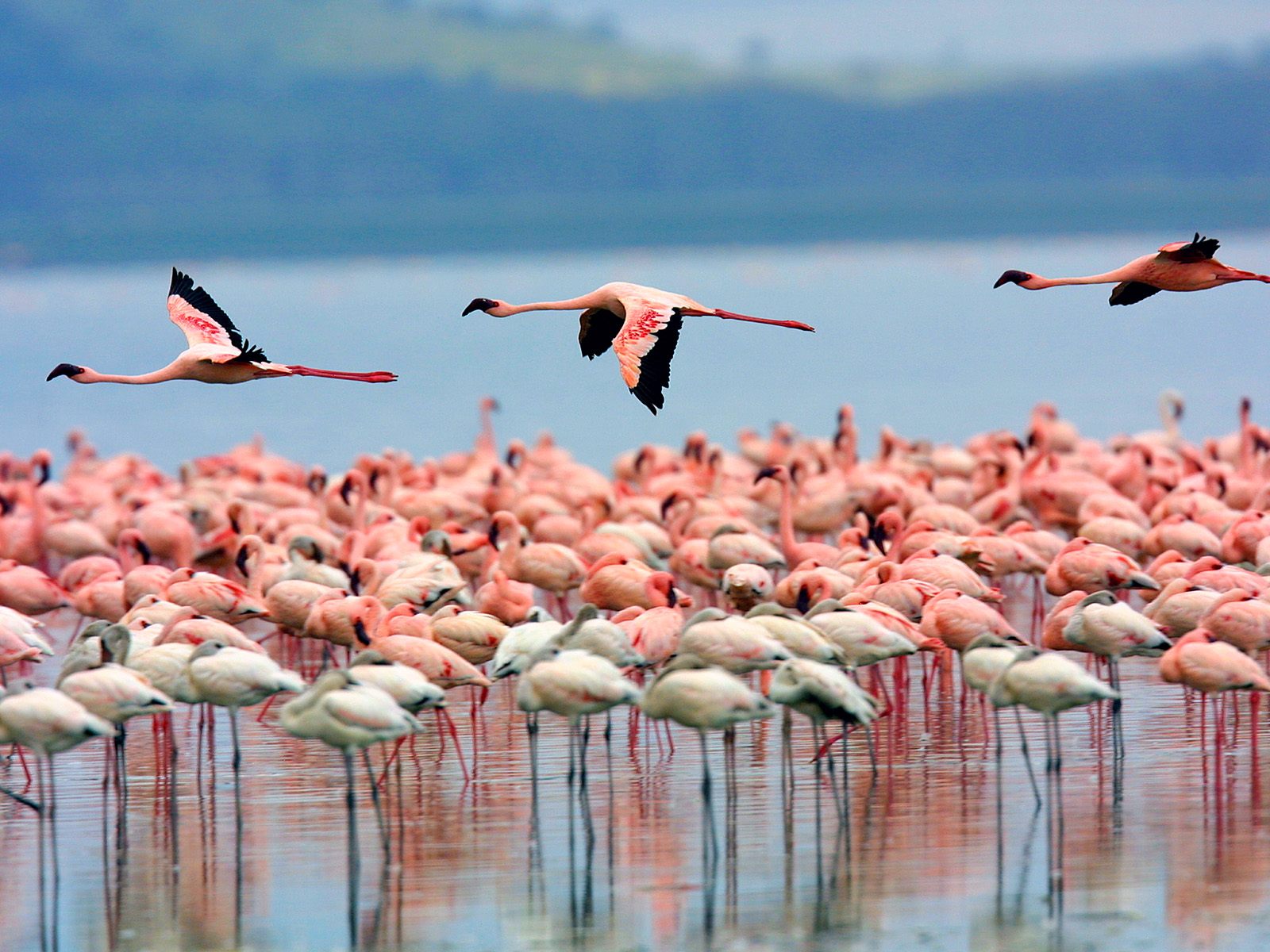
Lake Nakuru National Park is a UNESCO World Heritage site and one of Kenya’s most famous bird-watching destinations. Nestled on the floor of the Great Rift Valley, the park is dominated by its shallow soda lake, which has for decades been famous for its massive flocks of flamingos that turn the shores into a shimmering sea of pink.
Beyond the birds, the park is a vital and highly successful sanctuary for both the Black and White Rhino. It is perhaps the easiest place in East Africa to see these prehistoric giants in their natural habitat, often grazing in the open grasslands near the lake shore.
The Rhino Capital
Lake Nakuru was the first park in Kenya to be designated as a rhino sanctuary. Its fenced perimeter has allowed for a highly controlled and protected environment, leading to a thriving population. You are almost guaranteed to see White Rhinos grazing in large groups, and with a bit of patience, the more reclusive Black Rhinos can be found in the thicker woodlands.
The Rothschild Giraffes
The park is also a critical haven for the endangered Rothschild Giraffe, which was reintroduced here to protect the species from extinction. They are easily distinguished from the Masai Giraffe (found in the Mara) by their white “socks” and more defined patterns. They are often seen browsing the acacia trees that fringe the lake.
A Birder’s Paradise
While the flamingo populations fluctuate with the lake’s salinity and water levels, Lake Nakuru remains a world-class birding site. Over 450 species have been recorded, including massive numbers of Great White Pelicans, cormorants, and numerous birds of prey. The Makalia Falls in the southern sector of the park provide a different, lush habitat for forest-dwelling birds.
The Pink Lake: A Flamingo Odyssey
Lake Nakuru is world-famous for its ‘pink’ shores, created by millions of Lesser and Greater Flamingos that gather to feed on the abundant blue-green algae in the soda lake. This spectacle is one of the most iconic images of the African Rift Valley. While the numbers of flamingos fluctuate based on the lake’s water levels and salinity, the sight of a massive flock taking flight, turning the sky into a shimmering cloud of pink and white, is a once-in-a-lifetime experience. The park was originally created as a bird sanctuary, and it remains a critical habitat for over 450 species of birds, including massive numbers of Great White Pelicans and various species of kingfishers and raptors.
A Stronghold for Rhinos and Giraffes
Beyond the birds, Lake Nakuru National Park is a critical sanctuary for some of Africa’s most endangered mammals. It was the first park in Kenya to be designated as a Rhino Sanctuary, and its fenced perimeter has allowed for a highly successful breeding program. You are almost guaranteed to see White Rhinos grazing in the open grasslands, while the more reclusive Black Rhinos can be found in the thick acacia forests. The park is also a vital home for the Rothschild Giraffe, one of the rarest giraffe species in the world. These ‘gentle giants’ were reintroduced to the park to protect them from extinction, and they can now be seen browsing the yellow-fever trees that surround the lake.
The Yellow-Fever Tree Forests
The landscape of Lake Nakuru is dominated by the iconic Yellow-fever trees (Vachellia xanthophloea). These strikingly beautiful trees, with their powdery yellow bark and delicate green leaves, create a dreamlike atmosphere in the park’s riverine areas. Early explorers mistakenly believed that these trees caused yellow fever, but it was actually the mosquitoes in the swamps where the trees thrived. Today, these forests are a favorite haunt for leopards, which use the wide branches as vantage points and daytime resting spots. Driving through these ‘fever tree’ forests in the early morning mist is one of the most atmospheric experiences in the Kenyan highlands.
The View from Baboon Cliff
For the best perspective of the park, a drive to the top of Baboon Cliff is essential. From this high vantage point on the edge of the Rift Valley escarpment, you can look down over the entire lake and see the scale of the flamingo flocks. The cliff is named after the large troops of baboons that call this area home, and they are often seen perched on the rocks, seemingly enjoying the view themselves. The cliff offers a perfect spot for a picnic or a moment of reflection, as the vast plains of the Rift Valley stretch out toward the horizon, providing a sense of geological scale that is truly humbling.