Tanzania’s Most Understated Gem
Tarangire National Park is often overshadowed by the Serengeti and Ngorongoro, but for seasoned safari enthusiasts, it is one of the most rewarding destinations in Tanzania. Known for its massive herds of elephants and its iconic “upside-down” Baobab trees, the park offers a rugged, wild atmosphere that feels very different from the open plains of the north.
The park’s lifeblood is the Tarangire River. During the dry season (June to October), the river becomes the only source of water for miles around, attracting an incredible concentration of wildlife from the surrounding ecosystem in what is known as the “Mini-Migration.”
A Sanctuary for Giants
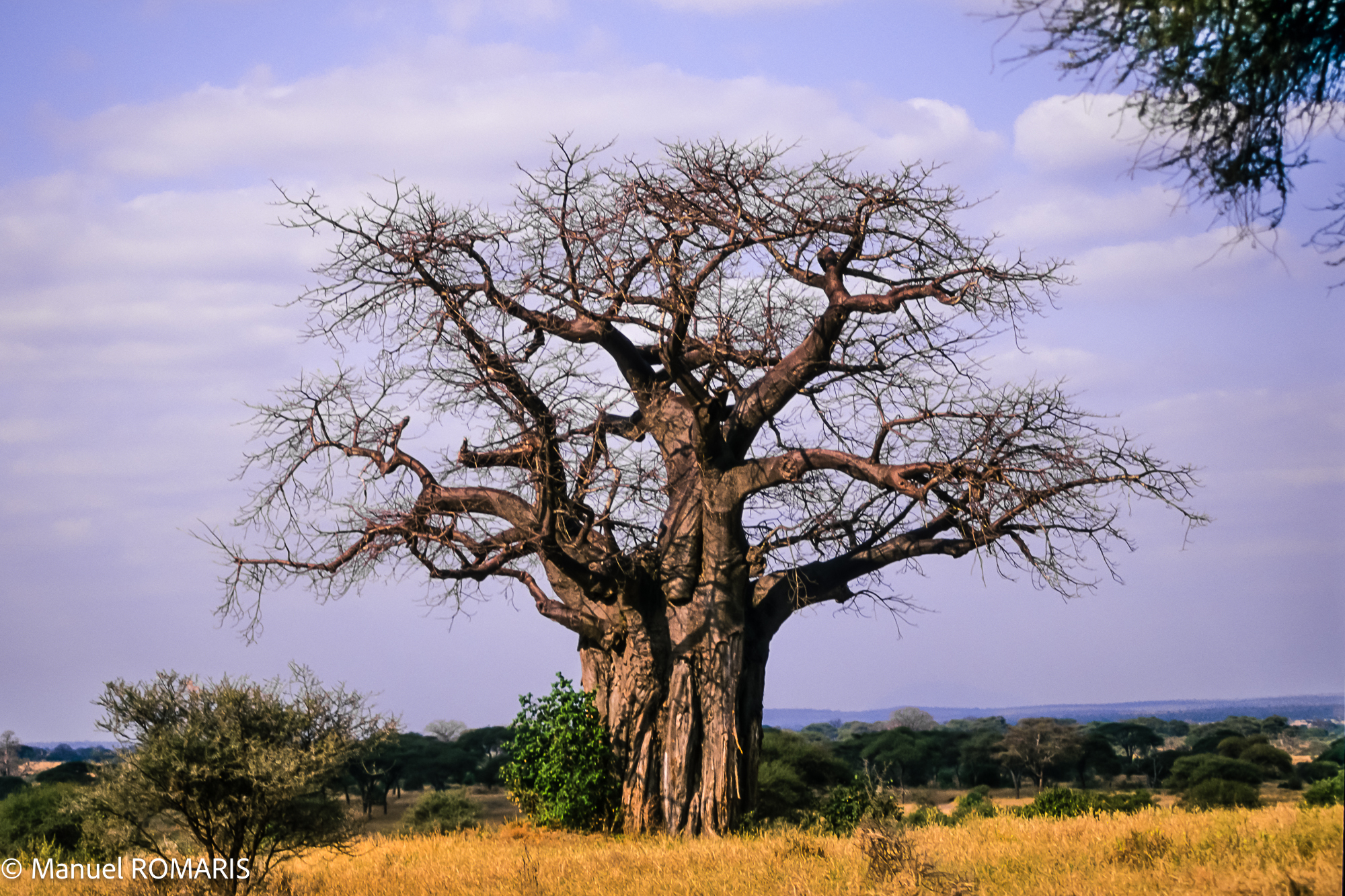
Tarangire is famously home to one of the largest concentrations of elephants in East Africa. It is not uncommon to see herds of several hundred individuals moving through the acacias or gathered at the river. The park is also famous for its ancient Baobab trees—some over 1,000 years old—which dominate the landscape and provide a dramatic backdrop for photography.
Unique Wildlife Sightings
Beyond the elephants, Tarangire is a haven for several specialized species. It is the best place in the northern circuit to see the Fringe-eared Oryx and the Lesser Kudu. The park is also known for its “tree-climbing pythons” and its surprisingly high density of leopards, which are often found resting in the branches of the massive Baobabs.
A Birding Paradise
With over 550 species of birds, Tarangire is a world-class avian destination. The swamps (like the Silale Swamp) are a magnet for water-associated species, while the dry savannah supports a huge variety of raptors and colorful rollers. The park’s bird count is higher than that of the Serengeti, making it a “must-visit” for any serious birder.
The Mini-Migration of the Tarangire River
While the Serengeti’s migration is world-famous, Tarangire hosts its own spectacular ‘mini-migration’ every dry season. From July to October, the Tarangire River becomes the only reliable source of water for the entire surrounding ecosystem. Animals travel for hundreds of miles to reach the river, creating a concentration of wildlife that is rivaled only by the Ngorongoro Crater. Thousands of wildebeest, zebras, gazelles, and elands gather along the riverbanks, which in turn attracts an incredible density of predators. The river becomes a stage for daily wildlife drama, as thirsty herds must navigate the banks where lions and leopards lie in wait. This seasonal concentration makes Tarangire one of the best places in Tanzania for big game viewing during the northern summer months.
The Elephant Kingdom
Tarangire is famously known as the ‘Land of Giants’ for its massive elephant population. The park is home to some of the largest herds in East Africa, with some groups numbering over 300 individuals. The elephants of Tarangire are known for their relaxed nature around vehicles, allowing for incredible close-up encounters as they groom each other, play in the river, or use their powerful trunks to strip the bark from ancient baobab trees. The park’s diverse habitats, from the Silale Swamp to the acacia woodlands, provide a constant supply of food and water, ensuring that these ‘giants’ can thrive and maintain one of the most stable elephant populations on the continent.
Ancient Sentinels: The Baobab Trees
The landscape of Tarangire is dominated by the iconic Baobab tree (Adansonia digitata). These ancient ‘upside-down’ trees can live for over a thousand years, and some of the specimens in the park are truly gargantuan. Baobabs are essential to the park’s ecology; they store massive amounts of water in their trunks, which elephants can access during extreme droughts by stripping the bark. They also provide nesting sites for various birds, including the rare Ashy Starling, and shelter for nocturnal creatures like bushbabies and owls. For photographers, the silhouettes of these ancient sentinels against a fiery Tanzanian sunset provide some of the most evocative images of the African wilderness.
A Birdwatcher’s Ultimate Destination
With over 550 recorded species, Tarangire boasts one of the highest bird counts in Tanzania, even surpassing the much larger Serengeti. The park’s variety of habitats is the key to this diversity. The Silale Swamp is a magnet for waterbirds like the Great White Pelican and the Yellow-billed Stork, while the dry savannah supports a huge array of raptors, including the Bateleur Eagle and the Martial Eagle. For birders, the dry season is particularly rewarding as many species are forced to the river, but the wet season brings a wave of colorful migratory birds from Europe and Asia, turning the park into a vibrant, multi-colored avian wonderland.