A Geological and Wildlife Masterpiece
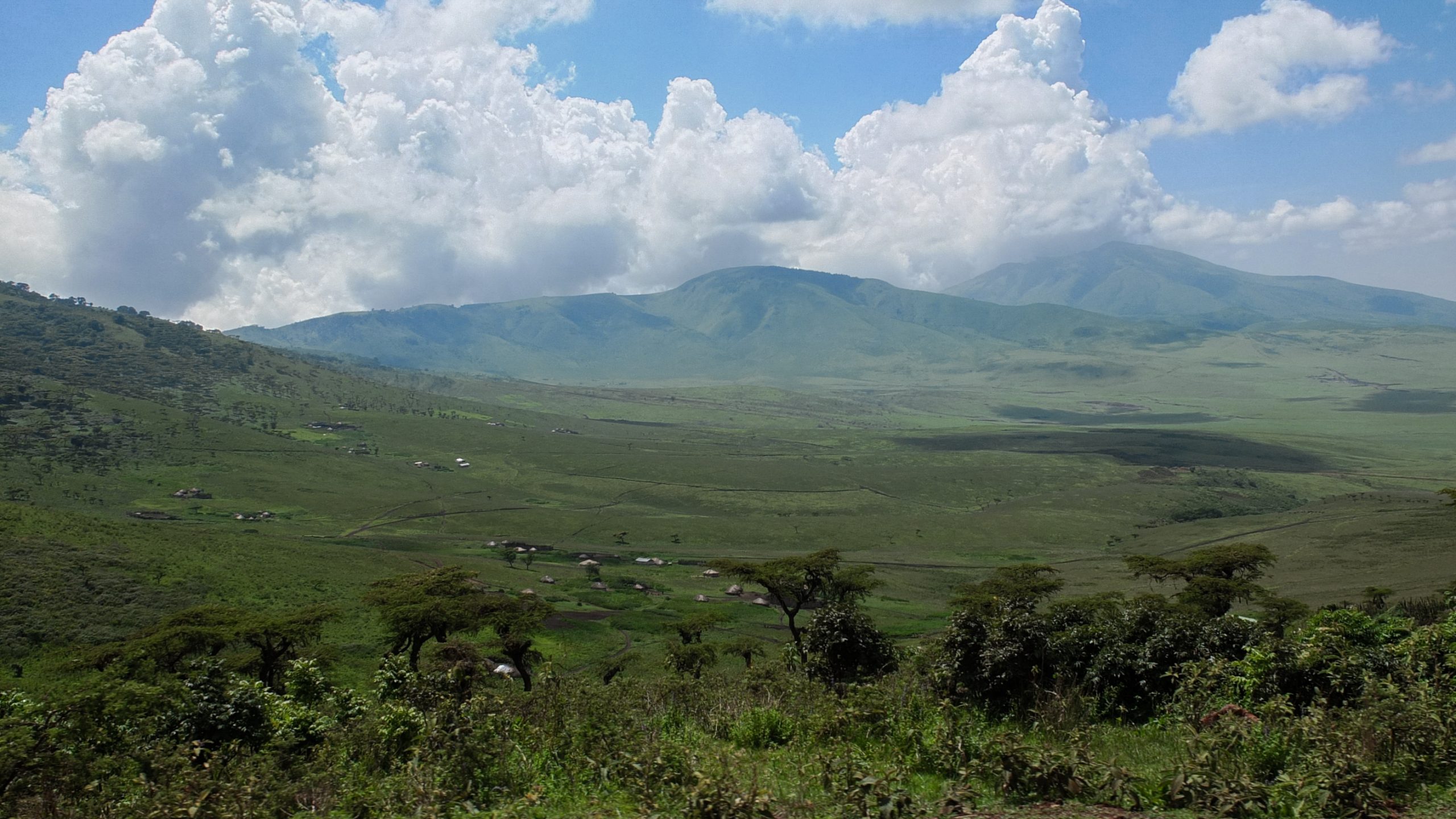
The Ngorongoro Conservation Area is a UNESCO World Heritage site and one of the most spectacular natural wonders of the world. At its heart lies the Ngorongoro Crater, the world’s largest inactive, unbroken and unfilled volcanic caldera. Formed when a massive volcano exploded and collapsed on itself two to three million years ago, the crater is now a 610-meter deep natural amphitheater covering 260 square kilometers.
Unlike traditional national parks, the Ngorongoro Conservation Area is a “multiple land use” area, where the semi-nomadic Maasai people live alongside the wildlife. This unique co-existence of humans and animals is a central part of the area’s cultural and ecological significance.
The Big Five in a Single Day
The crater floor is home to approximately 25,000 large animals, offering one of the highest densities of wildlife in Africa. It is one of the best places in the world to see the endangered Black Rhino. The crater’s permanent water sources and abundant grazing support massive prides of lions, herds of buffalo, elephants (including famous large-tusked bulls), and elusive leopards in the Lerai Forest.
Olduvai Gorge: The Cradle of Mankind
Within the conservation area lies Olduvai Gorge, one of the most important paleoanthropological sites in the world. It was here that Louis and Mary Leakey discovered some of the earliest human fossils, including Zinjanthropus boisei. A visit to the gorge and its excellent museum provides a profound insight into the origins of humanity and the millions of years of history etched into the earth.
A Highland Paradise
Beyond the crater, the conservation area encompasses a vast landscape of highland plains, scrublands, and forests. The Empakaai Crater, with its deep soda lake and emerald-green walls, offers a spectacular (and less crowded) hiking alternative. The area is also home to the “Shifting Sands”—a mysterious dune of black volcanic ash that moves across the plains at a rate of 17 meters per year, driven by the prevailing winds.
The Geological Phenomenon of the Caldera
The Ngorongoro Crater is a geological masterpiece that was formed approximately two to three million years ago. A massive volcano, once similar in height to Mount Kilimanjaro, exploded and collapsed on itself, creating the largest inactive, unbroken, and unfilled volcanic caldera in the world. This 610-meter-deep basin acts as a natural enclosure, creating a self-sustaining ecosystem that has remained relatively unchanged for millennia. The crater floor, covering 260 square kilometers, contains a variety of habitats including short-grass plains, swamps, forests, and a central soda lake (Lake Magadi). This concentration of resources is the reason why the crater can support such a high density of wildlife throughout the year, earning it the nickname ‘The Garden of Eden’.
The Black Rhino: A Conservation Stronghold
The Ngorongoro Crater is one of the last places on Earth where the endangered Black Rhino can be seen in its natural habitat with a high degree of certainty. The crater’s steep walls provide a natural barrier that has made it easier for anti-poaching units to protect these prehistoric-looking giants. Currently, a population of approximately 30 rhinos calls the crater home. They are most frequently spotted in the early morning near the Lerai Forest or crossing the open plains. The success of the rhino population in Ngorongoro is a beacon of hope for global conservation, showing that with intense protection and the right habitat, these critically endangered animals can thrive.
The Maasai: Living in Harmony with Wildness
Unlike standard national parks, the Ngorongoro Conservation Area is a ‘Multiple Land Use’ area. This means that the semi-nomadic Maasai people are allowed to live within the boundaries, grazing their cattle alongside the wildebeest and zebras. This co-existence is a profound example of how human culture and wildlife can survive together. The Maasai’s traditional red dress and their warrior culture are as much a part of the landscape as the lions and elephants. Visitors can visit a ‘Boma’ (Maasai village) to learn about their deep-rooted traditions, their knowledge of traditional medicine, and the intricate beadwork that tells the story of their age-sets and social status.
Empakaai and Olmoti: The Hidden Craters
While the main Ngorongoro Crater receives the most attention, the conservation area holds other hidden wonders. The Empakaai Crater, located to the northeast, is a dramatic 6km-wide caldera whose floor is almost entirely covered by a deep, emerald-green soda lake. A guided hike down the steep, forested walls of Empakaai is a tranquil escape from the busier game drive trails, offering the chance to see thousands of flamingos and various forest primates. Similarly, the Olmoti Crater features a spectacular waterfall (the Munge River) that plunges through a notch in the rim, providing a lush habitat for elands and buffalos in the highlands above the main plains.